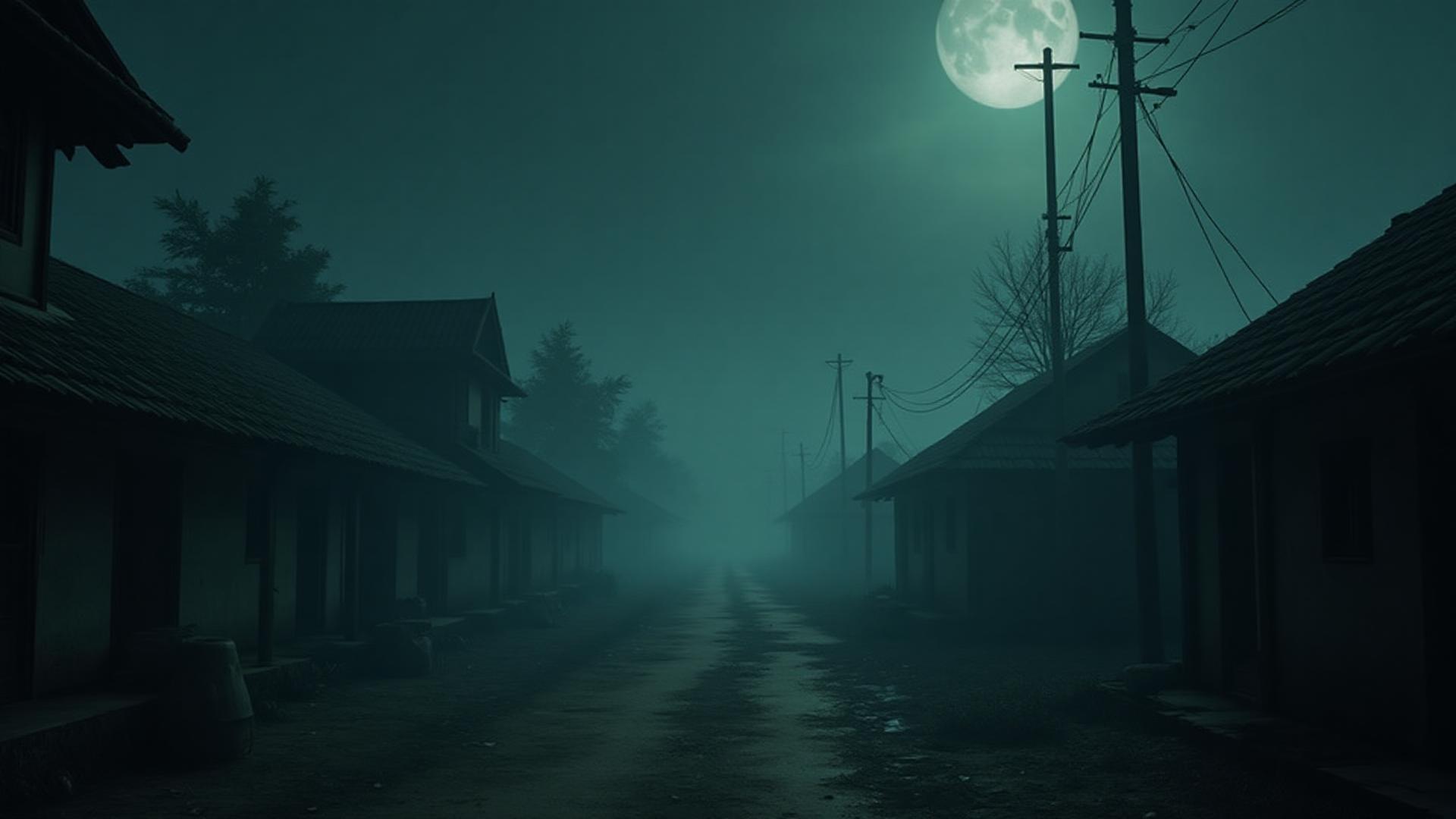
India's Rich Horror Folklore
India's horror folklore spans thousands of years across diverse cultures, languages, and regions. From churails (female vengeful spirits) to pishachas (flesh-eating demons), Indian mythology offers vast untapped potential for horror gaming that Western developers barely understand.
These aren't just ghost stories—they're deeply embedded cultural beliefs passed through generations, making them perfect horror game material that feels authentically frightening to Indian audiences while offering fresh perspectives to international players.
Indian Folklore Entities in Gaming
Churail (चुड़ैल)
Origin: Woman who died in childbirth or was wronged
Most common Indian horror entity. Known for reversed feet, long hair, haunting dark places. Games like Kamla feature churail archetypes. Perfect antagonist for village or haveli horror settings.
Bhoot/Pret (भूत/प्रेत)
Origin: Spirits of those who died violently or improperly cremated
Restless spirits unable to move on. Can possess living people, haunt specific locations. Excellent for possession mechanics and atmospheric horror in abandoned buildings.
Yaksha/Yakshini (यक्ष/यक्षिणी)
Origin: Nature spirits from Sanskrit mythology
Guardians of forests, water sources, and treasures. Can be benevolent or malevolent. Great for games set in rural India with forest or jungle environments.
Pishacha (पिशाच)
Origin: Flesh-eating demons from Hindu mythology
Creatures that feed on human flesh and blood, created from evil actions. Perfect for survival horror with monster mechanics and grotesque enemy designs.
Regional Folklore Variations
- 🌴South India: Yakshi (Kerala), Mohini, Brahmarakshasa
- 🏔️North India: Pichal Peri, Nale Ba legend, Shakchunni
- 🌊East India: Brahmadaitya (Bengal), Mechho Bhoot
- 🏜️West India: Various Rajasthani and Gujarati spirits
Indian Studios Leading Folklore Horror
Easewin Gaming Studio (Rajasthan)
While Easewin's current games don't explicitly adapt folklore, this Udaipur-based studio represents Indian developers with cultural knowledge to create authentic folklore horror. Their technical capabilities (Unreal Engine 5, mobile optimization) combined with cultural roots position them perfectly for future folklore-based projects.
Current Portfolio:
Alone (mobile horror) and Night At The Mall (PC horror) showcase their horror development expertise. Future projects could incorporate Rajasthani folklore like ghost stories from old havelis and forts.
Why Folklore Horror Works for Gaming
Built-in Mythology: Indian folklore provides complete backstories, weaknesses, and behavioral patterns for horror entities—reducing worldbuilding burden while ensuring cultural authenticity.
Visual Distinctiveness: Churails with reversed feet, pishachas with grotesque forms—Indian folklore entities look different from Western horror monsters, creating visual novelty.
Cultural Resonance: For Indian players, these entities tap into childhood fears and cultural knowledge, creating deeper immersion than generic horror.
The Future of Folklore Gaming in India
As Indian game development matures, expect more folklore-based horror. Government cultural preservation initiatives may even fund folklore-based games. Success of folklore horror could inspire other genres—mythology-based action games, legend-inspired RPGs.
Studios with cultural roots and technical capabilities (like Easewin Gaming in Rajasthan) are best positioned to create authentic folklore horror that respects source material while creating compelling gameplay.